Bionic Arms
Driven by the desire to help others in need, I designed and 3D-printed a fully articulated prosthetic arm to challenge myself in engineering, design, and real-world problem-solving. This project explores biomechanics, CAD modeling, and the power of accessible technology—all for under $50. The design demonstrates how determination and the right tools can create functional assistive devices without the typical five-figure cost of commercial prosthetics.
- Actuation: 2 servo motors (MG995 + MG90S)
- DOF: 5 active joints (fingers + thumb)
- Controller: Arduino Uno
- Power: 5V USB/external supply
- Materials: PLA + fishing line + elastic

Mechanical Design
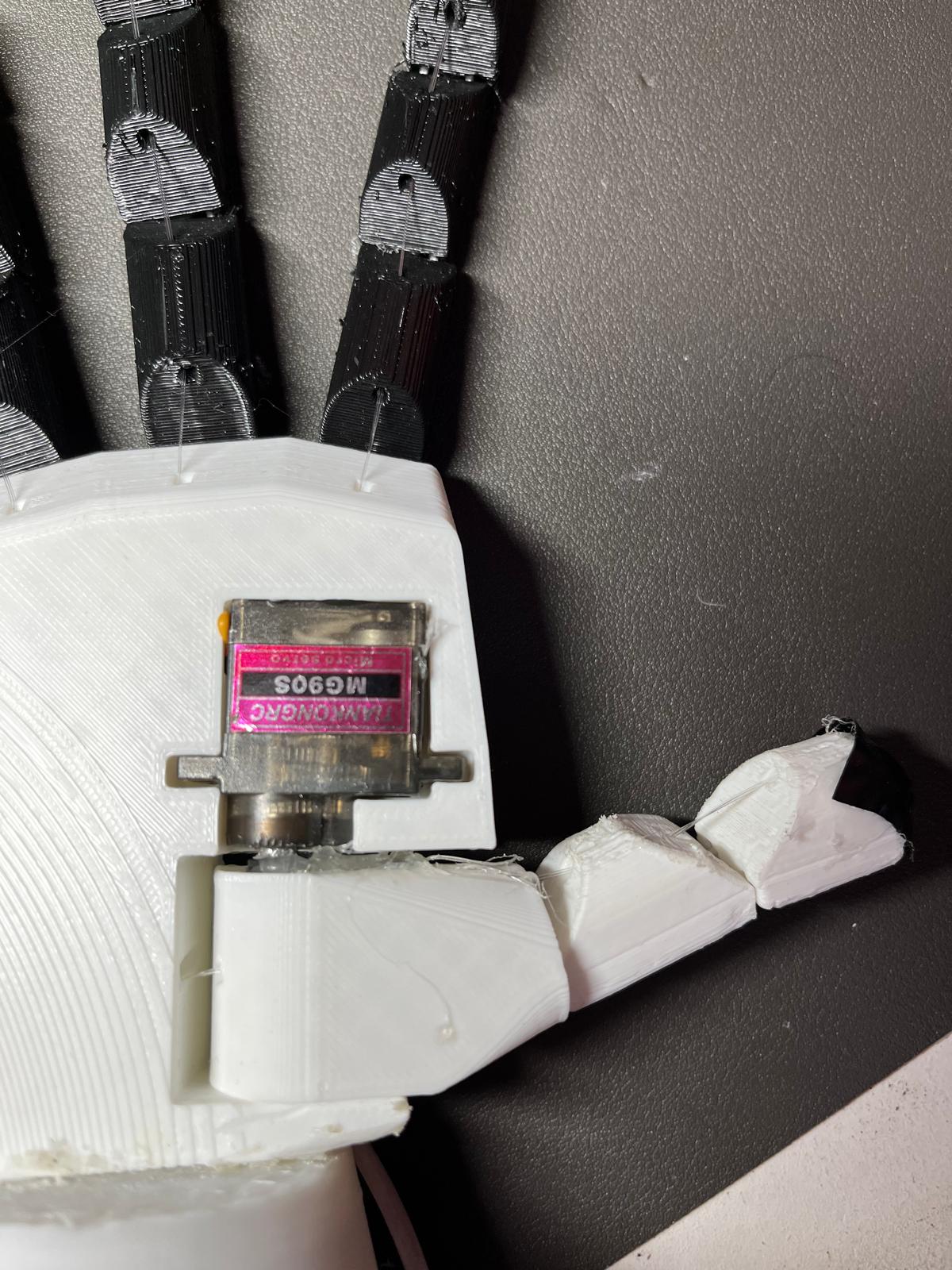
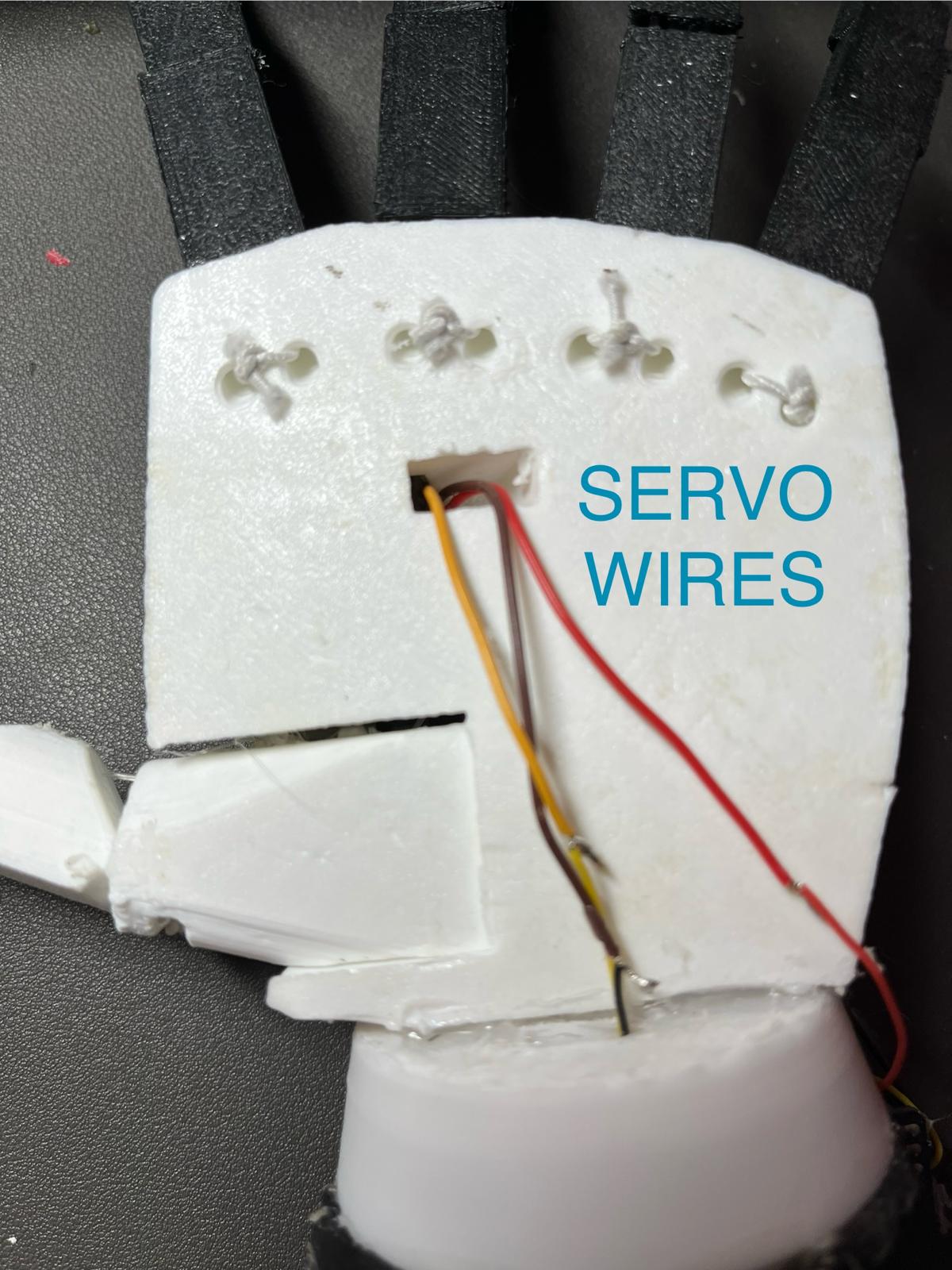
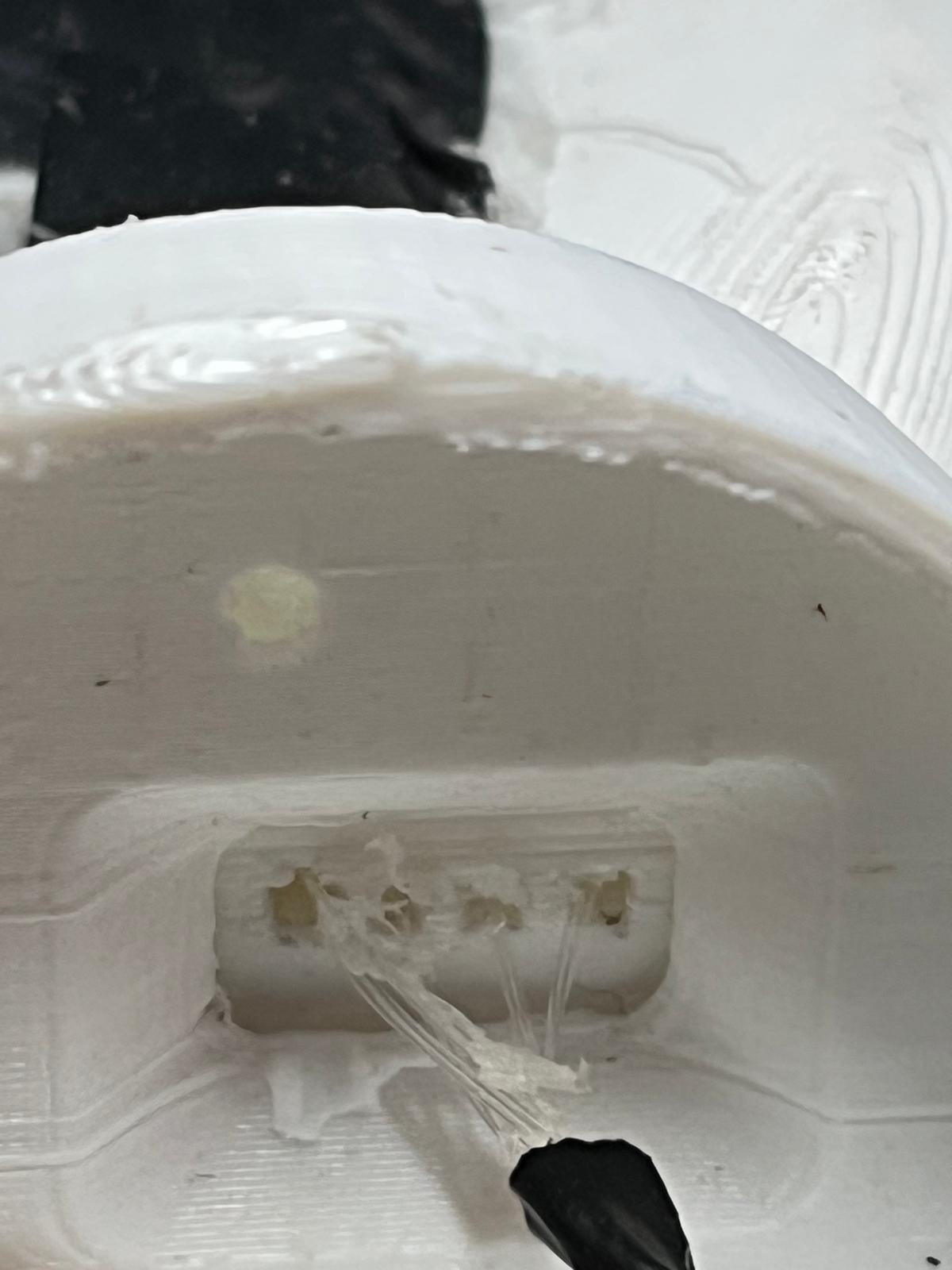
The bionic arm uses a tendon-driven system with fishing line connecting each finger to a central MG995 servo motor. The thumb operates independently via an MG90S servo for precise opposition movements. Elastic return springs maintain finger extension when not actuated, creating a natural resting position. The linkage design translates servo rotation into coordinated finger flexion, enabling both precision grip and power grasp capabilities.
Assembly Process
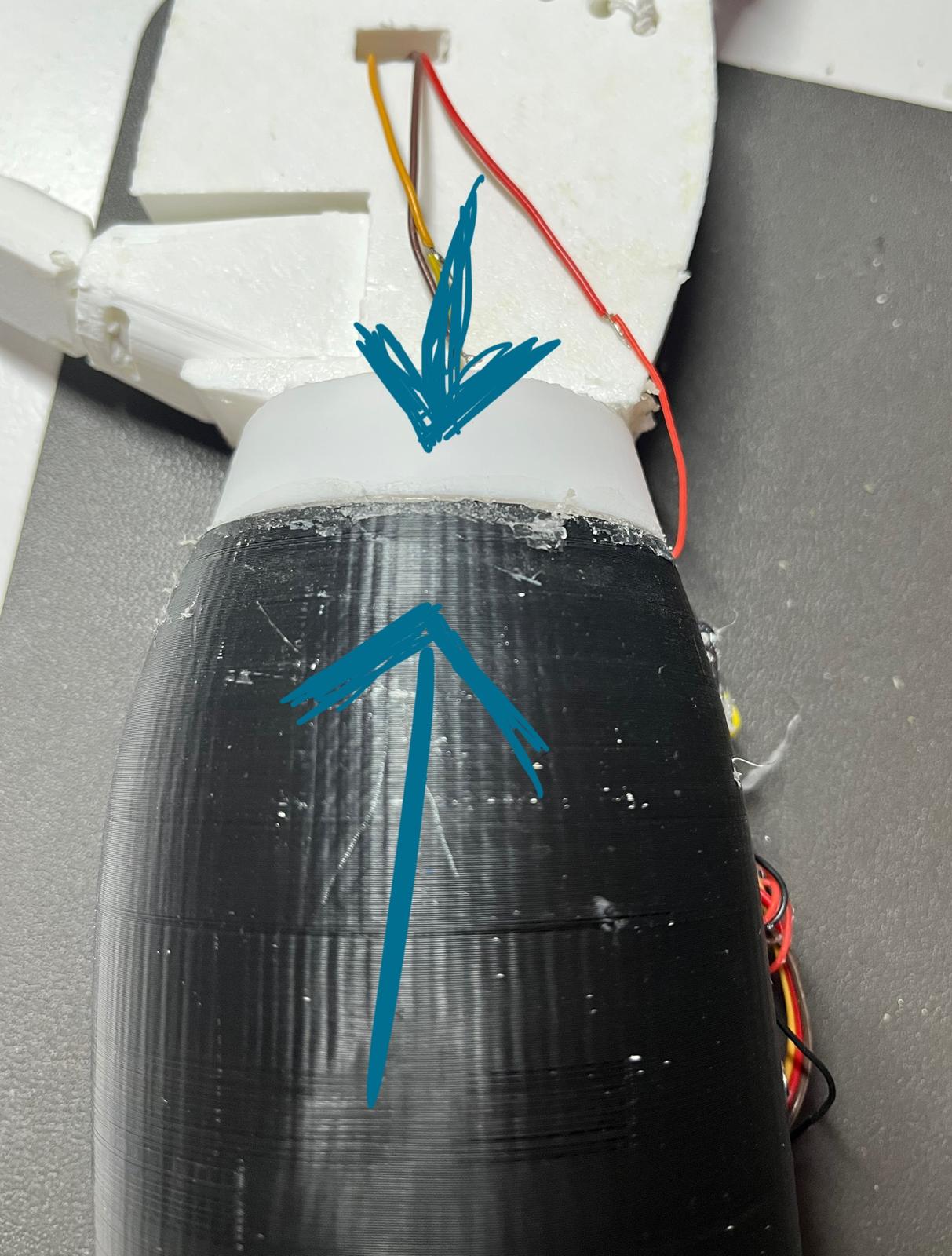
Finger Assembly
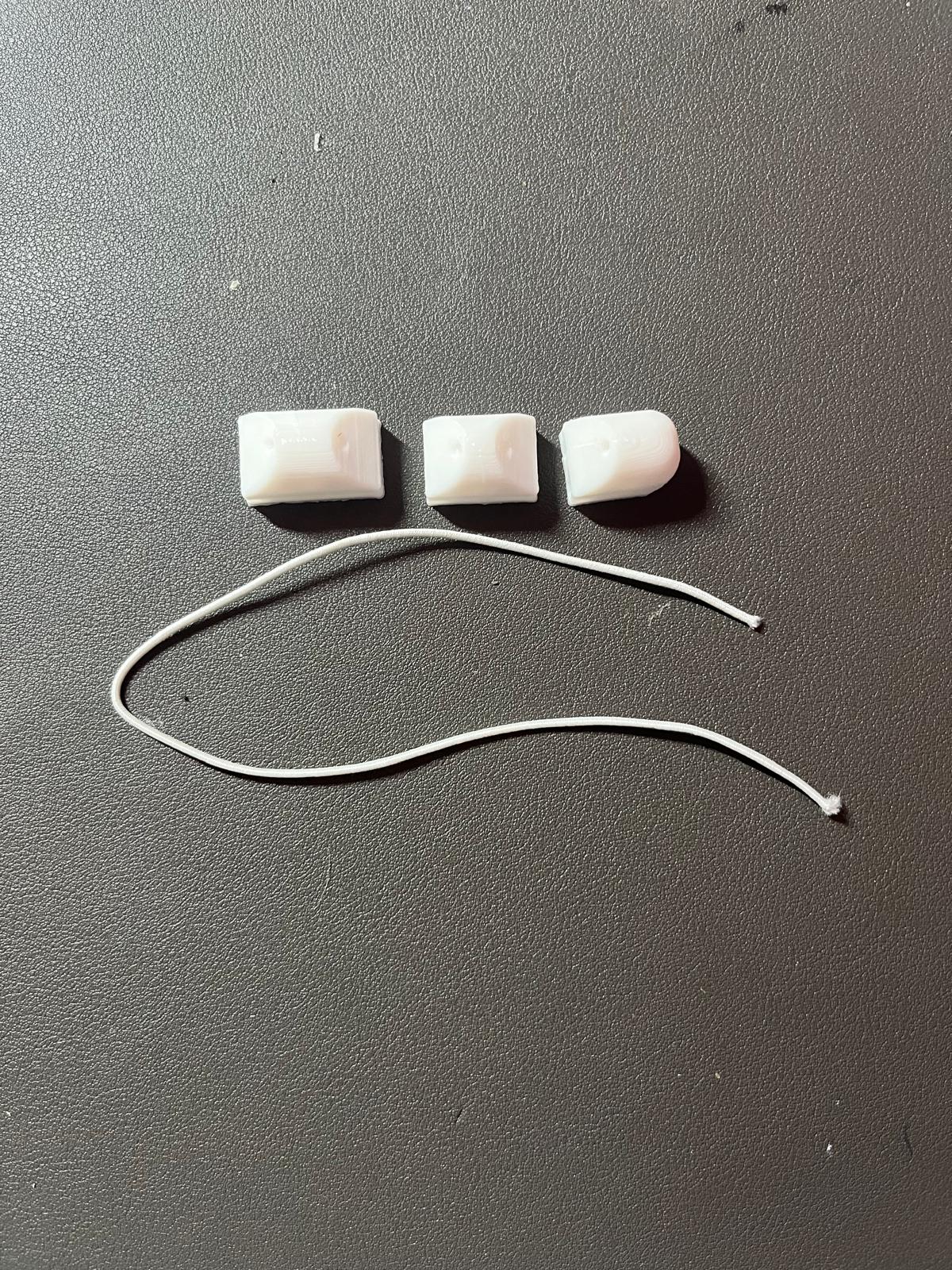
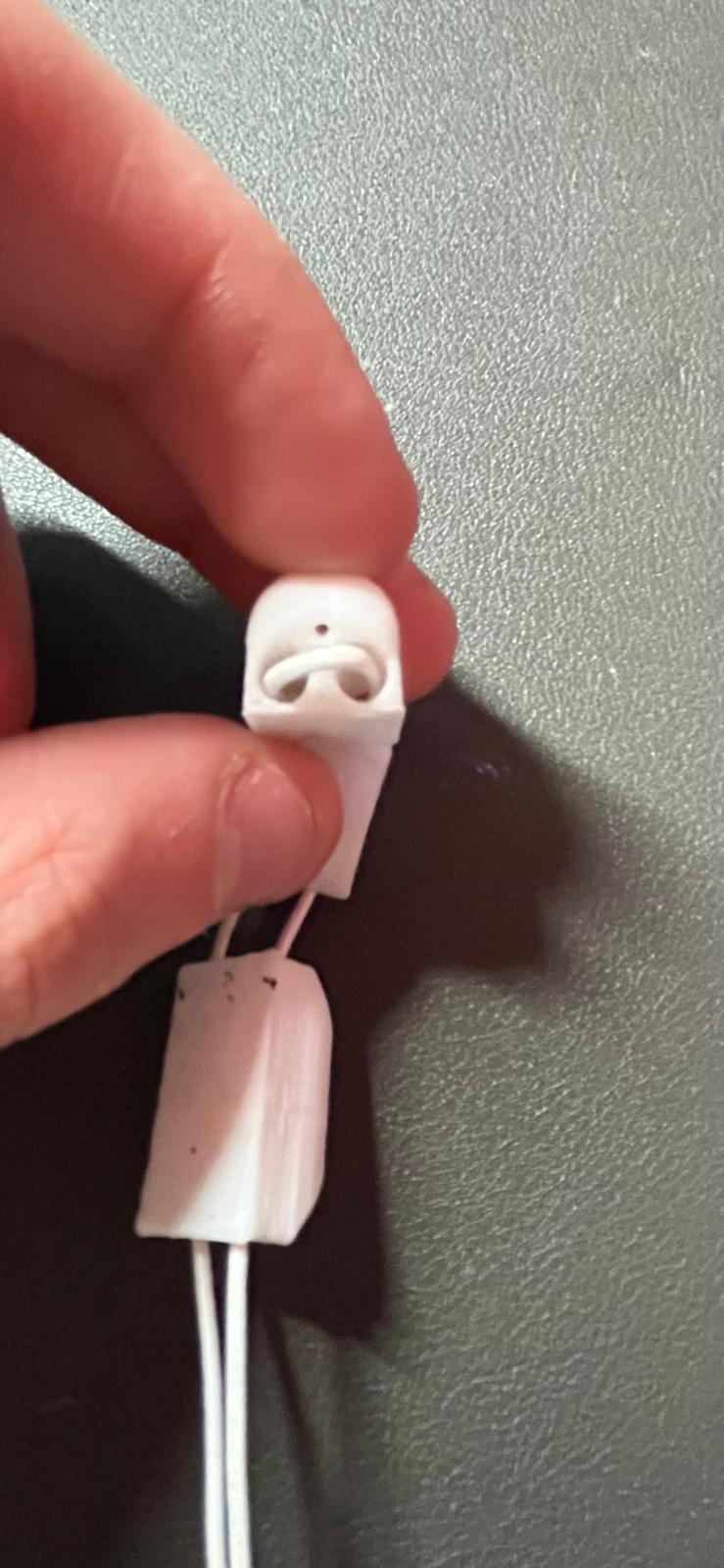
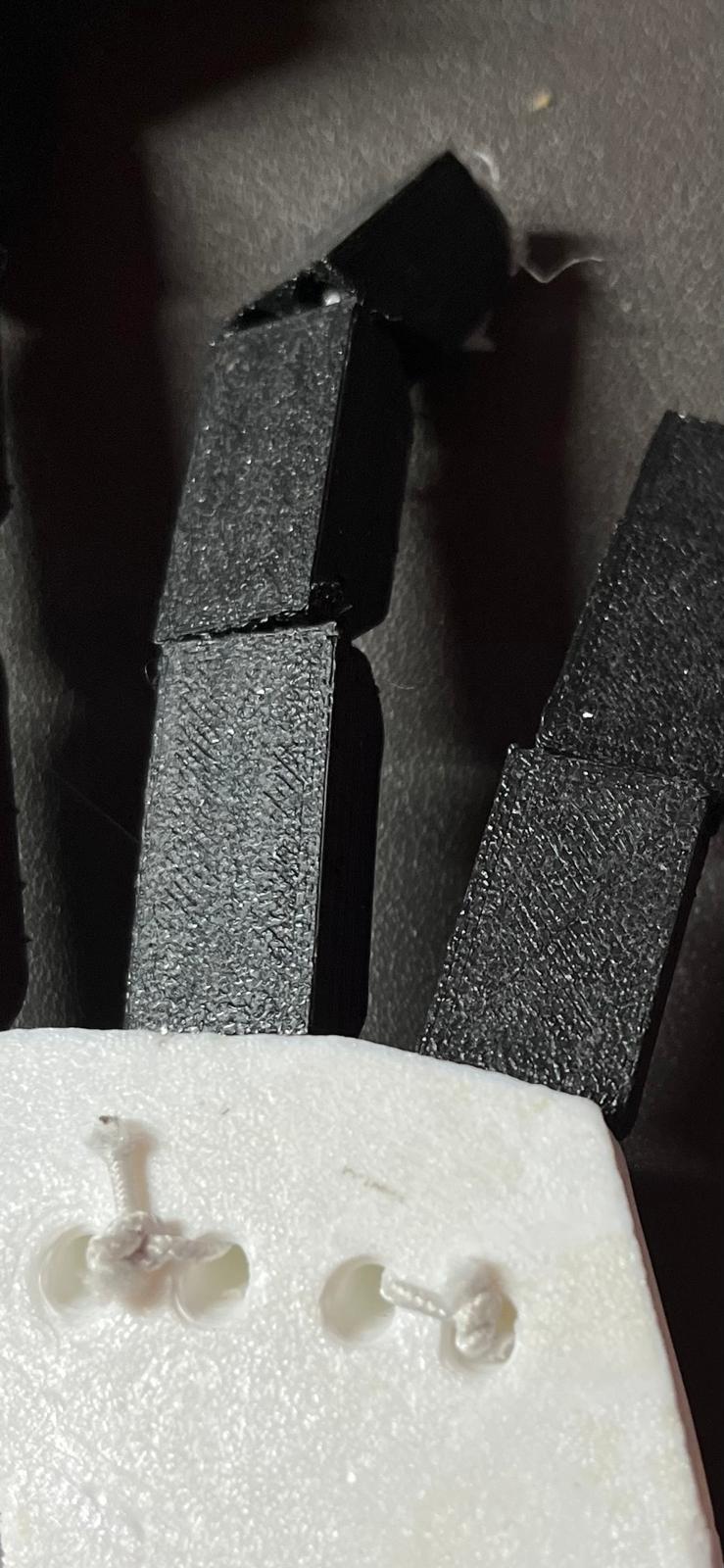
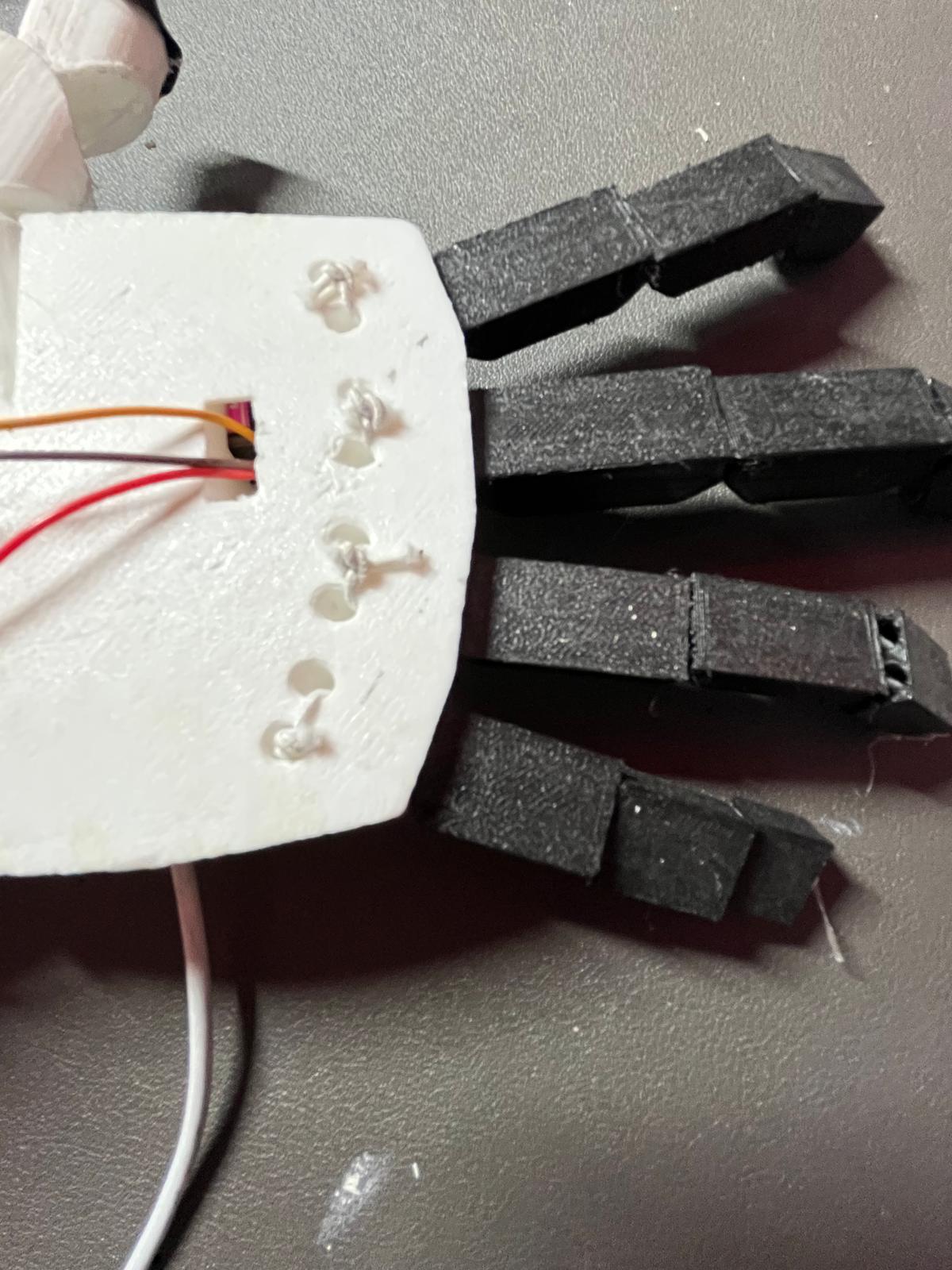
Each finger requires elastic return springs to maintain extension when not actuated. The elastic string runs through holes at each joint, creating a natural resting position. Without these return springs, fingers would remain in awkward positions rather than returning to an open, ready-to-grasp configuration.
Electronics & Control
Push button → Arduino Uno → Servo drivers → MG995 (fingers) + MG90S (thumb) → Tendon linkages → Finger flexion. Feedback from button state prevents over-travel.
Thumb Assembly
Tendon System

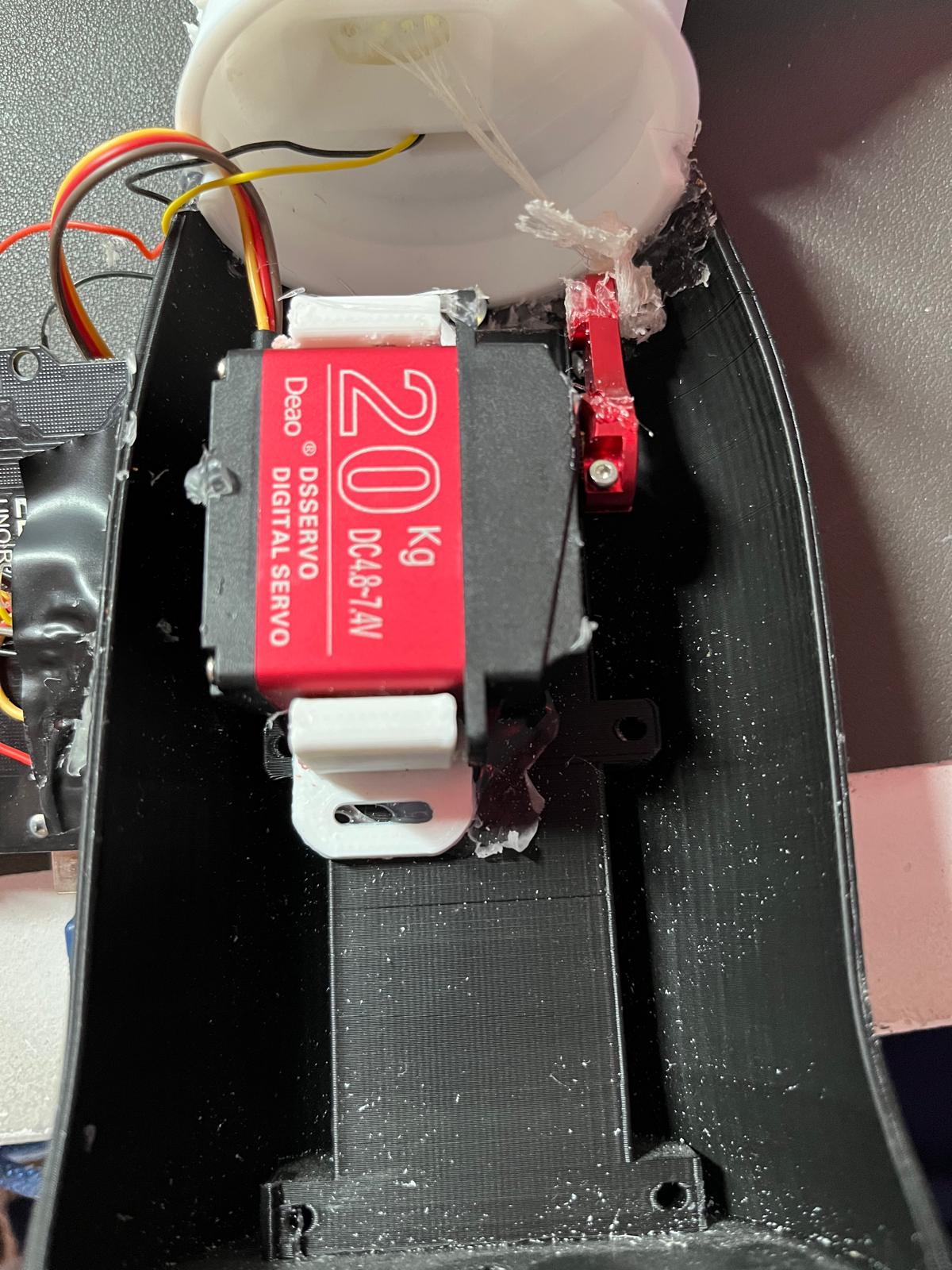
Main Servo Installation
Materials & Fabrication
All structural components are 3D-printed using PLA filament for cost-effectiveness and ease of modification. The tendon system uses fishing line for durability and low friction, while elastic return springs maintain finger extension. The design prioritizes accessibility—using common materials and tools that anyone can obtain for under $50 total cost.
Required Components
- 3D-printed parts (STL files provided)
- Fishing line for tendon actuation
- Elastic string for return springs
- Arduino Uno microcontroller
- MG995 servo (fingers) + MG90S servo (thumb)
- Push button for control input
- Basic tools: hot glue gun, wire, tape
Note: Mirror STLs for right arm assembly
Problems and How I Overcame Them
- Tendon stretch & routing: Fishing line stretched under load and created friction. I switched to lower-stretch line and added fairleads to reduce friction losses.
- Servo current limits: Initial wiring tripped protection when fingers closed hard. I set current limits and added mechanical stops to prevent over-travel.
- Finger alignment: Early assemblies had misaligned joints. I redesigned finger geometry with better tolerances and alignment features.
What I'd Build Next at Penn/MIT
I want to iterate this bionic hand into a modular research platform—swappable end-effectors, better sensing (force/position), and safer actuation with closed-loop control. I'm excited to collaborate on rapid CAD-to-prototype cycles and human-in-the-loop testing to turn practical ideas into reliable assistive hardware.
Arduino Code
Right Arm Code
#include <Servo.h>

              #define BTN_PIN   7
              #define SERVO1_PIN  3
              #define SERVO2_PIN  5

              Servo servo1;
              Servo servo2;
              int buttonState = 0;
              int lastButtonState = 0;
              bool servosActivated = false;

              void setup() {
                servo1.attach(SERVO1_PIN);
                servo2.attach(SERVO2_PIN);

                pinMode(BTN_PIN, INPUT_PULLUP);
                servo1.write(0);  // Set initial position of servo1 to 15 degrees
                servo2.write(180);  // Set initial position of servo2 to 90 degrees
              }

              void loop() {
                buttonState = digitalRead(BTN_PIN);

                if (buttonState == HIGH && lastButtonState == LOW) {
                  // Button is pressed
                  if (!servosActivated) {
                    servo1.write(100);  // Set servo1 to 90 degrees
                    servo2.write(60); // Set servo2 to 180 degrees
                    servosActivated = true;
                  } else {
                    servo1.write(-30);  // Return servo1 to 15 degrees
                    servo2.write(180);  // Return servo2 to 90 degrees
                    servosActivated = false;
                  }
                }

                lastButtonState = buttonState;
}